Main quest
←The story
Main focus
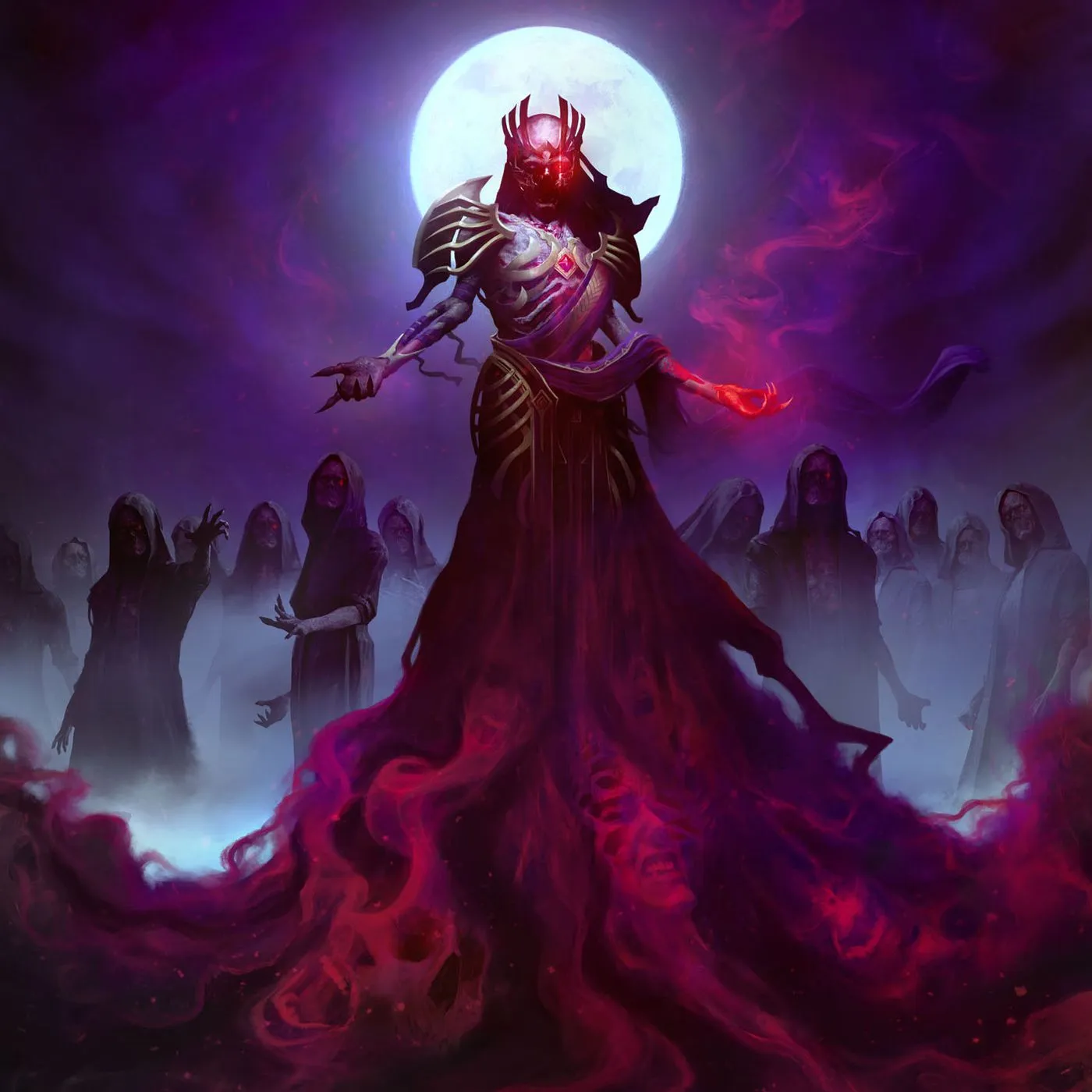
When creating a main quest, the DM’s primary focus should be player enjoyment, not just the plot they’ve written. A good main quest gives the players clear motivation, meaningful choices, and chances for their characters to matter. Instead of thinking “What’s my story?”, it helps to think “What situations can I put the players in that let them create the story?” Fun often comes from agency (the ability to make decisions that change things), stakes (something to gain or lose), and moments where characters shine based on their skills or backstories.
Understanding what’s fun means paying attention to your table. Some players love roleplay, some love combat, others enjoy puzzles, exploration, or lore. A DM can learn this by watching what excites the players, asking them directly, or running a Session 0 (a pre-campaign discussion about expectations).
Example: A party that keeps negotiating with enemies might enjoy political intrigue more than constant combat. Another group that lights up during boss fights probably wants big, dramatic encounters.
Railroading

Railroading is when the DM forces the players down a specific path regardless of their choices. It usually comes in when a DM has a very specific outcome in mind and overrides player decisions to reach it. Railroading isn’t always bad, but it becomes a problem when players feel like their choices don’t matter.
Railroading can be useful in small doses—especially for new players, short campaigns, or to keep the story moving. The key is to use it subtly. Instead of saying “You can’t do that,” guide players with in-world reasons: locked gates, urgent threats, NPC advice, or time pressure.
Example: Rather than forcing the party to visit a dungeon, you might have multiple NPCs mention strange disappearances linked to it, making the players want to go there on their own.
If the players don’t follow
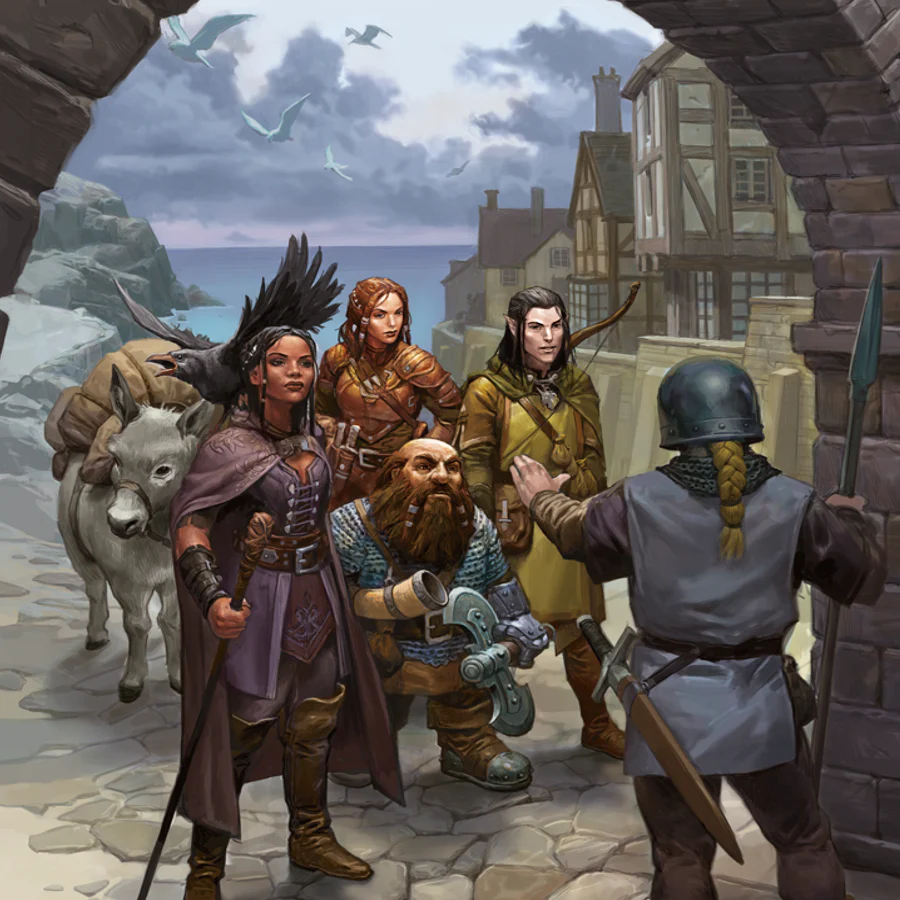
Players will go off-script. That’s normal—and honestly, part of the fun. When this happens, the DM has a few tools. You can lightly use railroading (as mentioned earlier), improvise new scenes, or adapt the story to fit what the players are doing. Often, the smartest move is to let the world react naturally to their choices rather than forcing them back onto the original path.
A common trick is the illusion of choice: two different paths leading to similar outcomes. If the players ignore the haunted forest and go to the city instead, maybe the same villain’s plan unfolds there. The players still feel in control, but the story stays coherent. Above all, flexibility is a DM’s best skill—your notes are a guide, not a cage.
The end
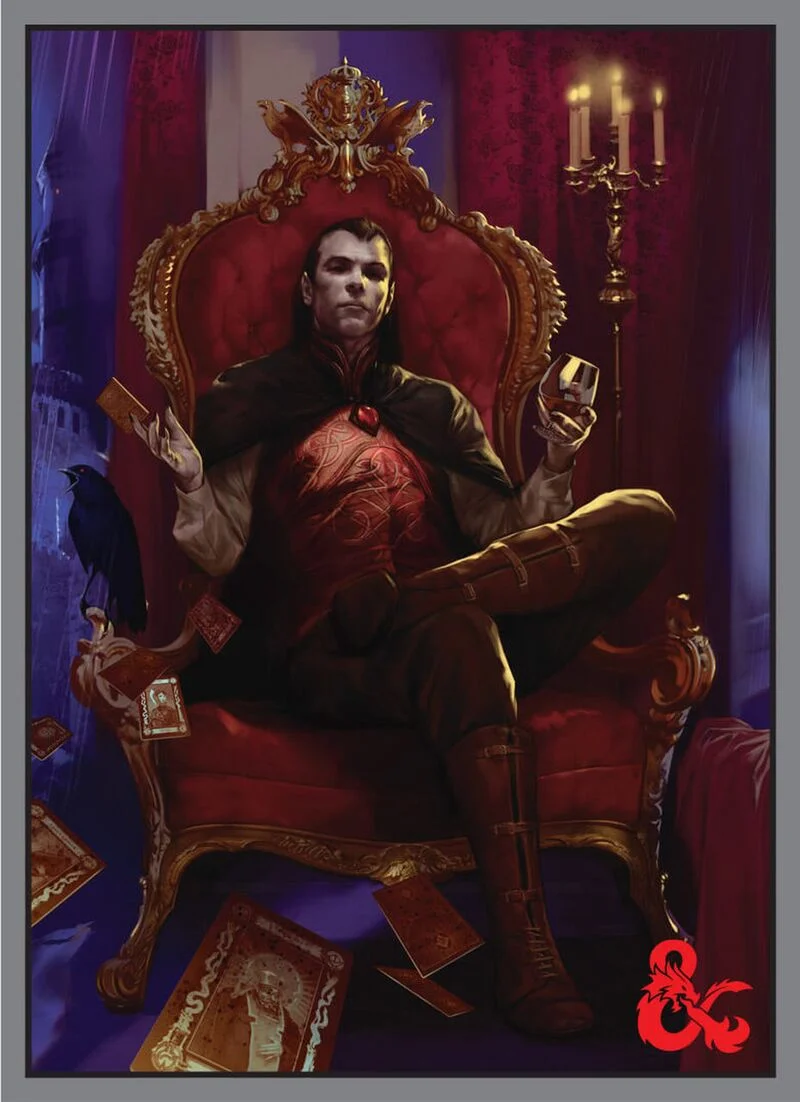
The end of a campaign is usually centered around the BBEG (Big Bad Evil Guy) or final threat, and it should feel like a natural conclusion to everything that came before. The tone of the ending should match the campaign’s vibe: a dark, serious campaign deserves a weighty, emotional finale, while a lighter, comedic campaign might end with something heroic but fun. The final conflict should reflect the themes you’ve been building all along.
Before (or alongside) the final battle, it’s important to wrap up character storylines. Players are deeply attached to their characters, so giving each one a moment of closure—resolving personal goals, rivalries, or backstory hooks—makes the ending far more satisfying. After the climax, many DMs include epilogues, describing what happens to the characters weeks or years later.
This is one of the most important parts of a campaign, but also one of the hardest to get right. Pressure is normal. It’s okay—and encouraged—to get help: talk to other DMs, ask your players what kind of ending they’d enjoy, or even run a few practice ideas. A good ending doesn’t need to be perfect; it just needs to feel earned